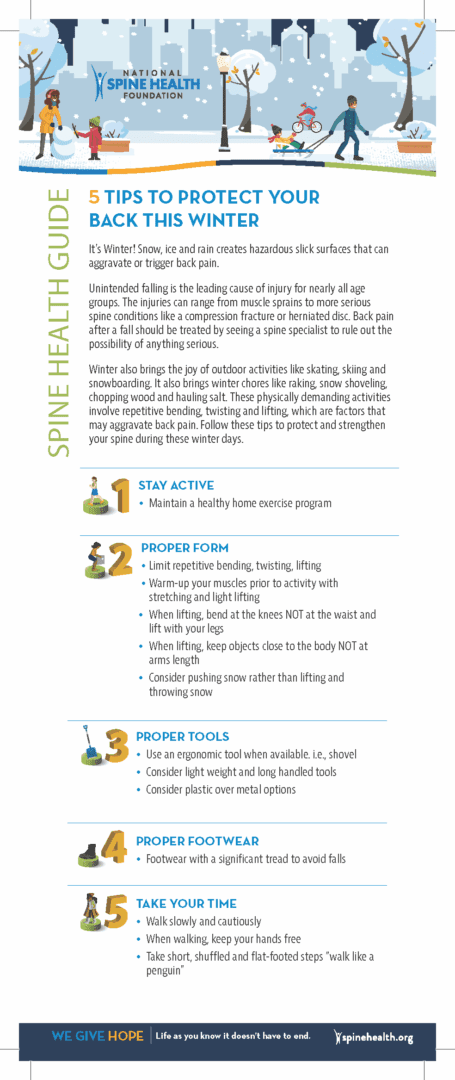
Winter brings plenty to enjoy—snowy mornings, holiday gatherings, and cozy nights indoors. But colder temperatures, icy conditions, and seasonal activities can also place extra strain on your back and spine. From snow shoveling and travel to shopping and spending more time indoors, winter presents unique challenges that can increase stiffness, discomfort, and the risk of injury.
The good news is that with a little planning and a few smart habits, you can protect your back, stay active, and enjoy the season safely. Whether you’re managing ongoing back pain, recovering from surgery, or simply looking to stay healthy, these winter tips can help support your spine all season long.
Why Winter Can Be Hard on Your Back
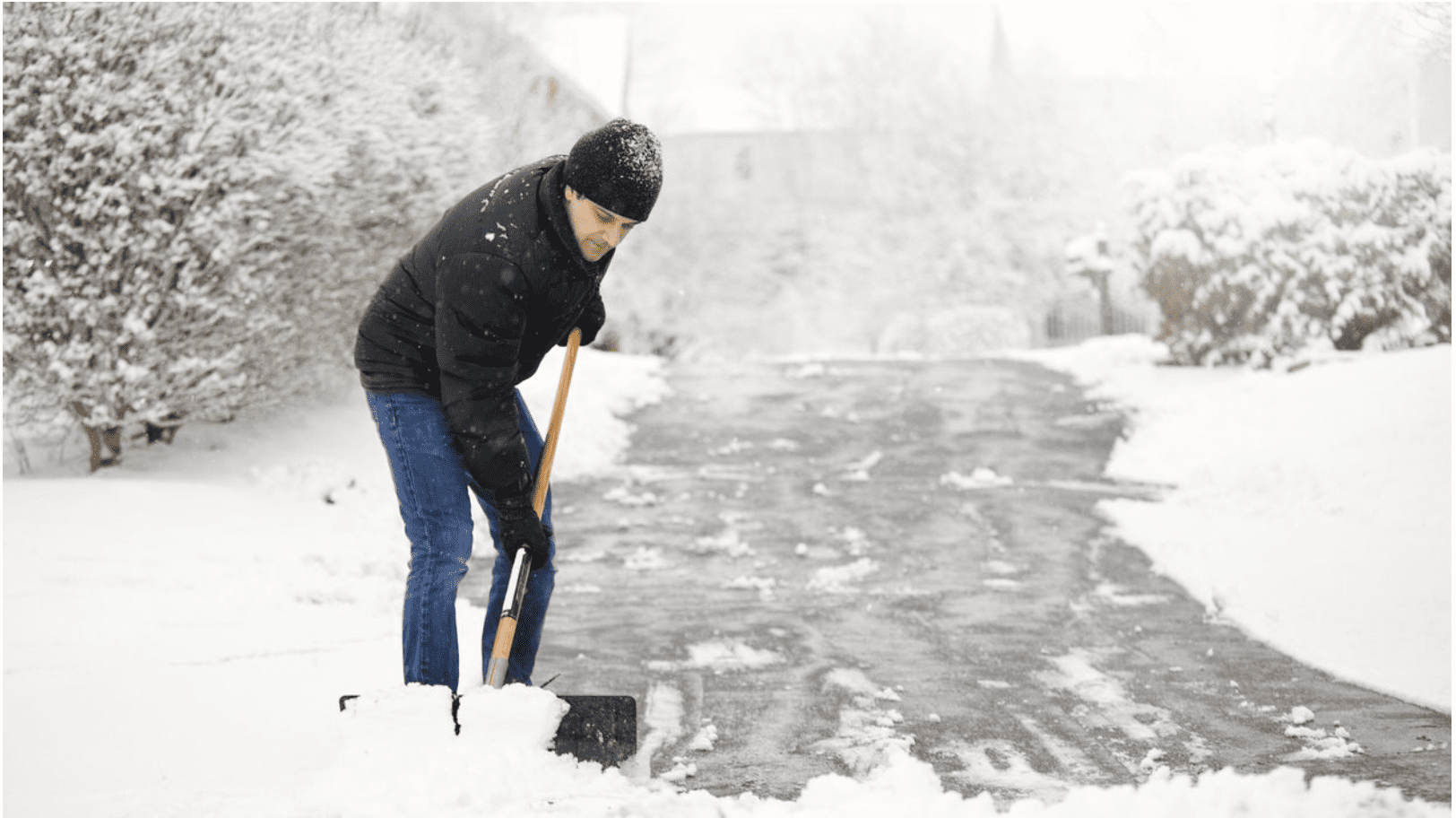
Cold weather affects the body in several ways. Muscles and joints tend to stiffen in lower temperatures, making them more vulnerable to strain. Shorter days and colder conditions may also reduce physical activity, leading to decreased flexibility and weakened muscles that support the spine.
Winter chores like snow shoveling, the risk of slipping on ice, and long periods of sitting while traveling or indoors can all contribute to back discomfort. Being aware of these seasonal challenges is the first step toward preventing injury.
Warm Up Before You Head Out
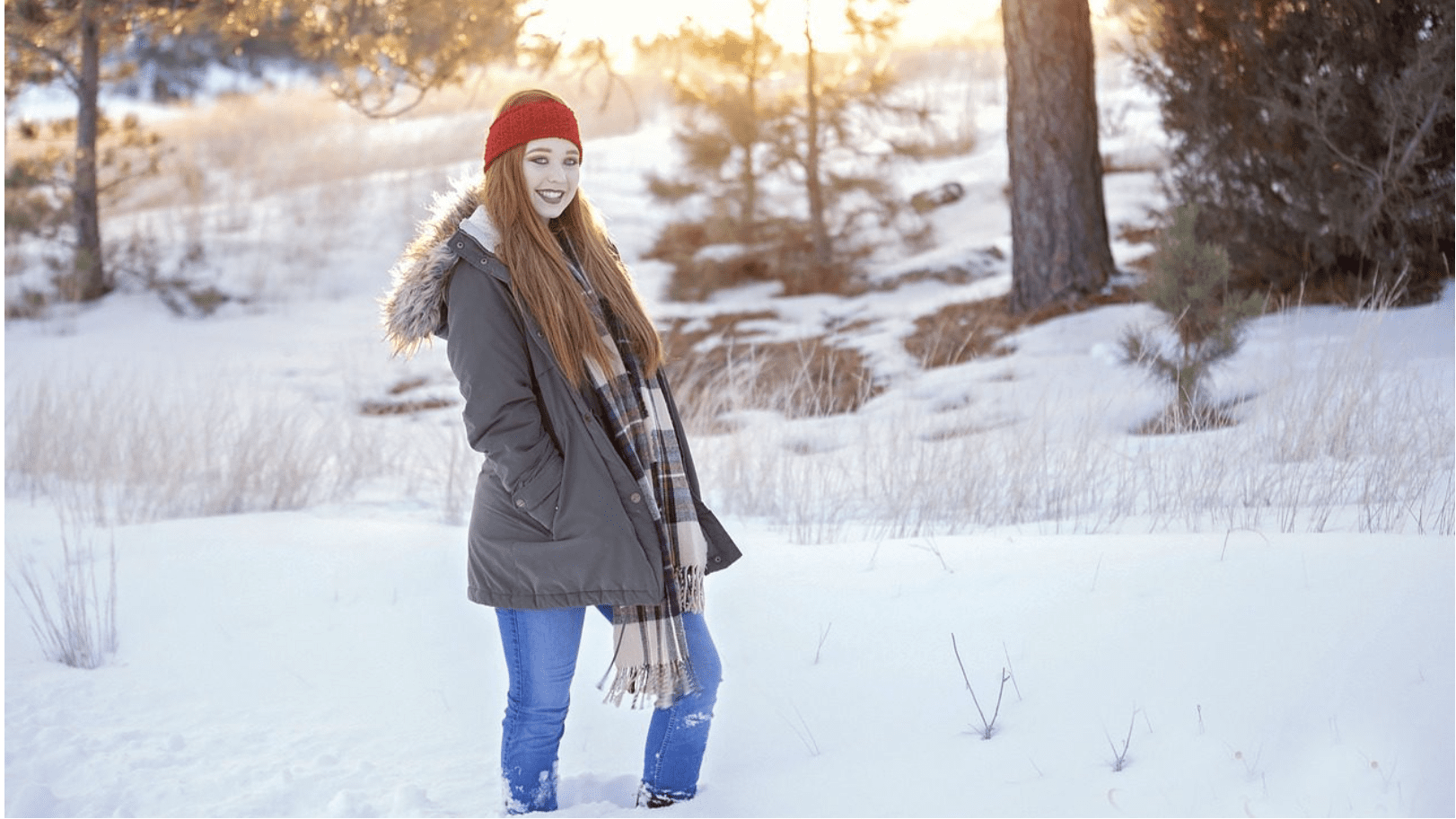
Just like athletes warm up before exercise, your body needs preparation before winter activities.
- Take 5–10 minutes to warm up before shoveling snow, scraping ice, or heading outdoors
- Try gentle movements such as marching in place, shoulder rolls, arm circles, or light stretching
- Warming up increases blood flow, loosens muscles, and reduces the risk of strains
- Cold, stiff muscles are more likely to be injured, so a brief warm-up can go a long way toward protecting your back.
Shovel Smart — or Skip It Altogether
Snow shoveling is one of the most common causes of winter back pain and injury. It combines lifting, twisting, and repetitive motion, often in cold conditions when muscles are tight.
If You Do Shovel
- Use a shovel that’s the right height and weight for you
- Bend at the hips and knees, not the waist
- Keep snow loads small and manageable
- Hold the shovel close to your body
- Avoid twisting—turn with your feet instead
- Take frequent breaks and stay hydrated
Consider Safer Alternatives
Shoveling isn’t the only option, especially when snow is heavy or wet.
- Use a snow blower to reduce lifting
- Hire a snow removal service
- Ask a neighbor, family member, or friend for help
- Hire a neighborhood teen or local helper
- Shovel early and often so snow doesn’t build up and become heavier
Choosing a safer alternative is a smart decision—especially if you have a history of back pain or spine problems.
Dress for Stability and Support
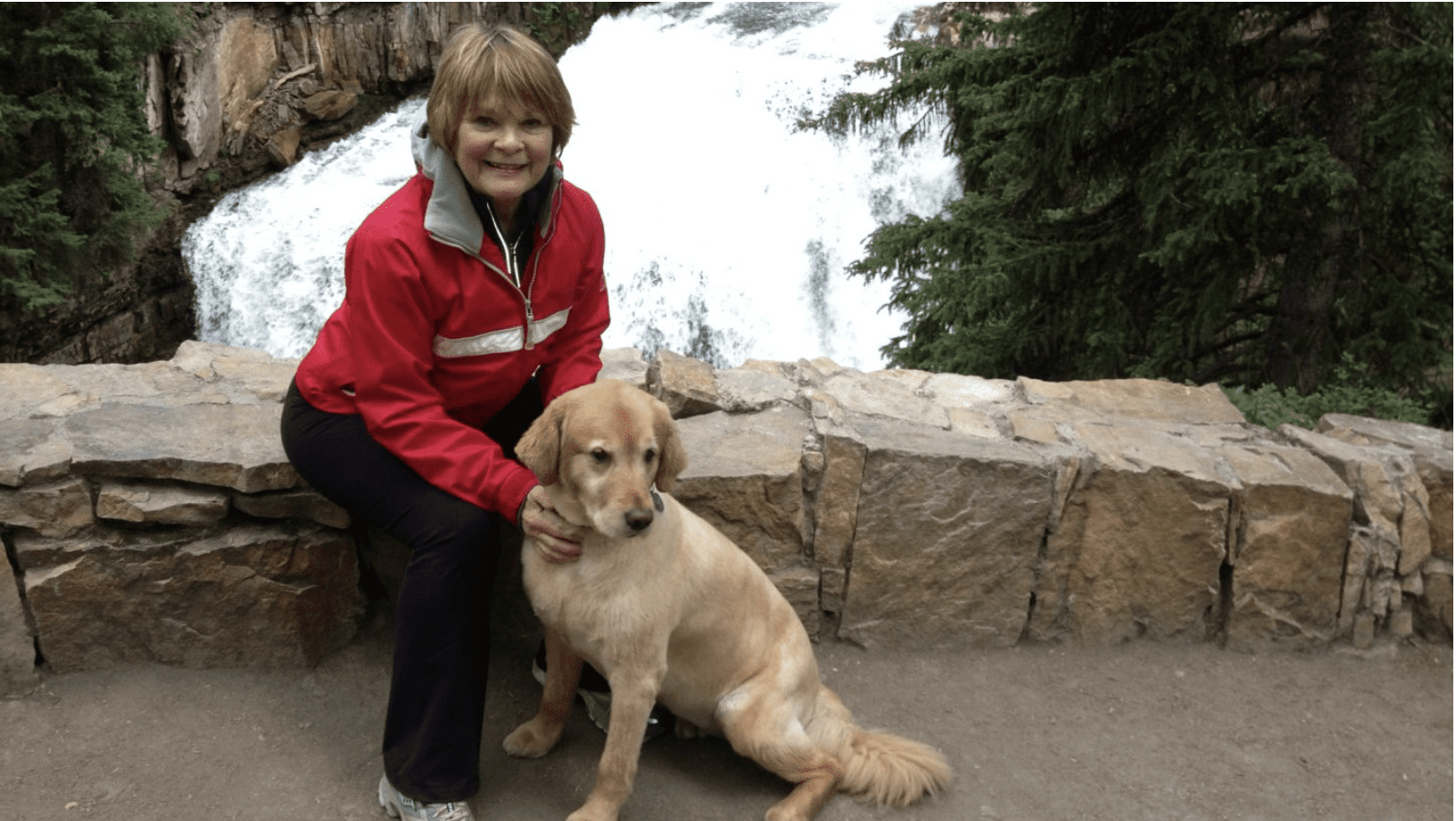
What you wear during winter matters more than you might think.
- Choose footwear with good traction to reduce the risk of slipping
- Look for boots with non-slip soles and ankle support
- Dress in layers to stay warm without restricting movement
Falls are a leading cause of spine injuries in winter, so stable footwear and thoughtful clothing choices are essential.


Prevent Slips and Falls at Home
Many winter injuries happen close to home.
- Keep walkways, steps, and driveways clear of snow and ice
- Use handrails on stairs whenever available
- Place non-slip mats near entrances
- Turn on lights during early mornings or evenings when visibility is low
Moving slowly and intentionally in winter conditions can help prevent painful injuries.

Stay Active—Even When It’s Cold
It’s tempting to become less active during winter, but movement is essential for spinal health.
- Regular activity keeps muscles strong and flexible
- It supports balance, posture, and coordination
- It helps reduce stiffness and manage chronic back pain
Indoor activities such as stretching, yoga, strength training, or walking in place can be excellent ways to stay active when it’s too cold outside.
Winter Sunlight, Vitamin D, and Bone Health
During winter months, shorter days and reduced sunlight can limit the body’s natural production of vitamin D. Vitamin D plays an important role in supporting bone strength, muscle function, and overall musculoskeletal health.
Lower vitamin D levels may contribute to weaker bones and increased risk of falls or fractures, particularly in older adults or those who spend limited time outdoors during winter.
To support bone health:
- Spend time outdoors when weather and safety allow
- Include vitamin D–rich foods in your diet, such as fortified dairy products or fatty fish
- Talk with a healthcare provider about whether vitamin D supplementation may be appropriate for you, especially if you have a history of bone loss, spine conditions, or limited sun exposure
Maintaining adequate vitamin D levels is one small but important step in supporting bone and spine health throughout the winter season.
Protect Your Back While Shopping, Carrying, and Wrapping
Winter often brings extra errands, shopping, and time spent wrapping gifts or preparing for gatherings. These activities may not feel strenuous, but repeated bending and lifting can add up.
Shop Smarter
- Use carts instead of carrying items
- Avoid overloading baskets or carts
- Ask for help with bulky or heavy items
- Take breaks and avoid rushing
- Take advantage of online purchasing with delivery
Carry Bags the Right Way
- Carry lighter bags and make multiple trips
- Distribute weight evenly between both sides of your body
- Use backpacks or bags with wide straps when possible
- Avoid twisting while lifting or setting bags down
Wrap and Decorate with Care
- Wrap gifts at a table or counter instead of on the floor
- Sit in a supportive chair with good posture
- Take frequent breaks to stretch and move
- Avoid prolonged bending or reaching overhead
Small adjustments can significantly reduce back strain during busy winter days.
Support Your Spine During Winter Travel
Winter often means more time spent traveling.
- Adjust seats so your back is fully supported
- Use a small pillow or rolled towel for lumbar support
- Take breaks during long trips to stand and stretch
- Lift luggage carefully and avoid twisting
Good posture and regular movement can help keep travel from becoming a pain in the back.
Extra Caution for Those Recovering from Spine Surgery
If you are recovering from spine surgery, winter weather requires extra care. Healing tissues are more vulnerable, and even minor slips or sudden movements can interfere with recovery.
Getting Safely to Appointments and Physical Therapy
- Plan extra time so you don’t feel rushed
- Avoid icy or poorly cleared surfaces
- Wear shoes with excellent traction
- Use assistive devices as recommended
- Ask for help getting in and out of vehicles
If weather or mobility makes travel unsafe, ask your care team about virtual medical visits or virtual physical therapy options to stay on track with recovery.
Let Others Handle the Heavy Lifting
- Avoid snow shoveling and heavy lifting
- Arrange for snow removal or help from others
- Protecting your recovery is always the priority
Listen to Your Body
- Follow post-surgical instructions closely
- Don’t push beyond recommended limits
- Report new or worsening symptoms promptly
Caregiver Tips: Helping Loved Ones Stay Safe This Winter
Caregivers play a critical role in supporting spine health and recovery during winter.
Create a Safer Home
- Keep walkways clear
- Use non-slip mats
- Ensure adequate lighting
- Place frequently used items within easy reach
Assist With Transportation and Appointments
- Offer rides and allow extra time
- Help with getting in and out of vehicles
- Consider virtual visits when travel is unsafe
Take Over High-Risk Tasks
- Handle snow shoveling and heavy chores
- Arrange for help when needed
- Encourage pacing and rest
Encourage Communication and Movement
- Support safe, recommended activity
- Encourage use of assistive devices
- Listen to concerns about pain or fear of falling

Small Habits, Big Impact
Protecting your back during winter doesn’t require major lifestyle changes. Simple, thoughtful choices—warming up, moving safely, staying active, and asking for help when needed—can make a meaningful difference.
By being mindful and prepared, you can reduce your risk of injury, manage existing back issues, and move through winter with greater comfort and confidence.