
Getting Back into the Swing of Things
Golf is a fantastic way to stay active, especially during the summer when long days and warm weather make it ideal to spend time on the course. With the season in full swing, many golfers are playing more frequently—sometimes without proper preparation—which can increase the risk of strain or injury, especially to the spine. Prioritizing spinal health is key to staying pain-free and playing at your best all summer long. In this article, we’ll cover essential strategies including effective stretching routines, maintaining proper posture, improving rotational mobility, and incorporating adequate recovery between rounds to protect your spine and enhance your performance on the green.
Stretching Techniques to Improve Spinal Motion Before a Round
Before heading out to the golf course or the driving range, it’s vital to prepare your body for the physical demands of the game. Stretching for golfers helps improve flexibility, increases blood flow to the muscles, and reduces the risk of injury. Focus on stretches that target the key muscles involved in a golf swing: the back, shoulders, hips, and legs.
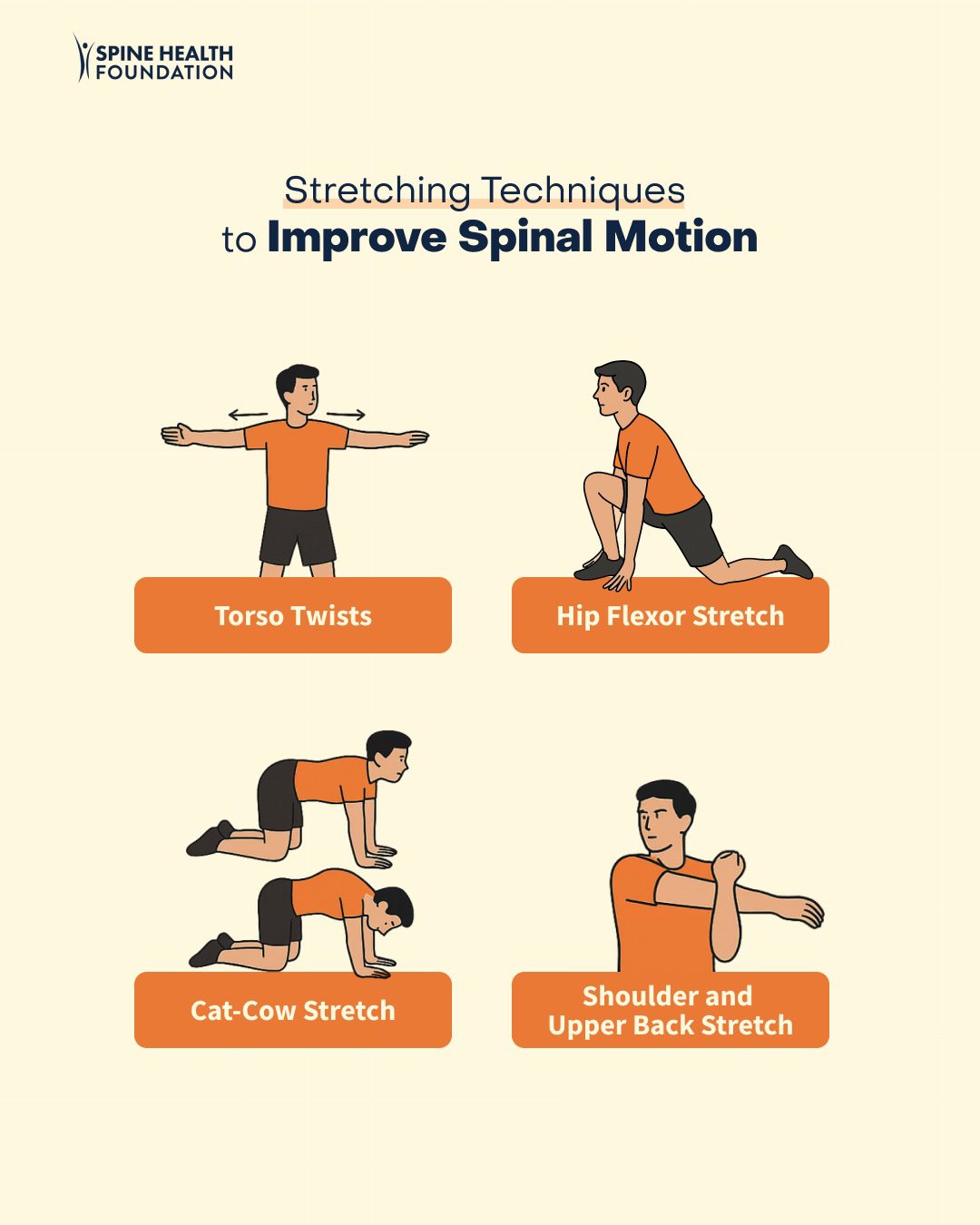
- Torso Twists: Stand with your feet shoulder-width apart and gently rotate your torso from side to side. This helps improve spinal rotation, which is crucial for a smooth swing. Perform 10-15 repetitions in each direction to warm up your midsection.
- Hip Flexor Stretch: Golf requires a good range of motion in your hips. Stretching your hip flexors helps prevent strain on your lower back. Hold the stretch for at least 20-30 seconds on each side to increase mobility.
- Cat-Cow Stretch: This movement improves the flexibility of the spine. On all fours, alternate arching and rounding your back to loosen up your spine before you start swinging. Repeat 10-15 times, focusing on smooth movement to release tension in the lower back.
- Shoulder and Upper Back Stretch: Extend one arm across your chest and use the other to gently pull it closer to your body. This stretch improves shoulder mobility, which is essential for a full golf swing.
Incorporating these stretches into your warm-up routine will not only prevent injuries but also improve your swing efficiency by increasing mobility and reducing stiffness.
How to Protect Your Spine with Proper Golf Posture
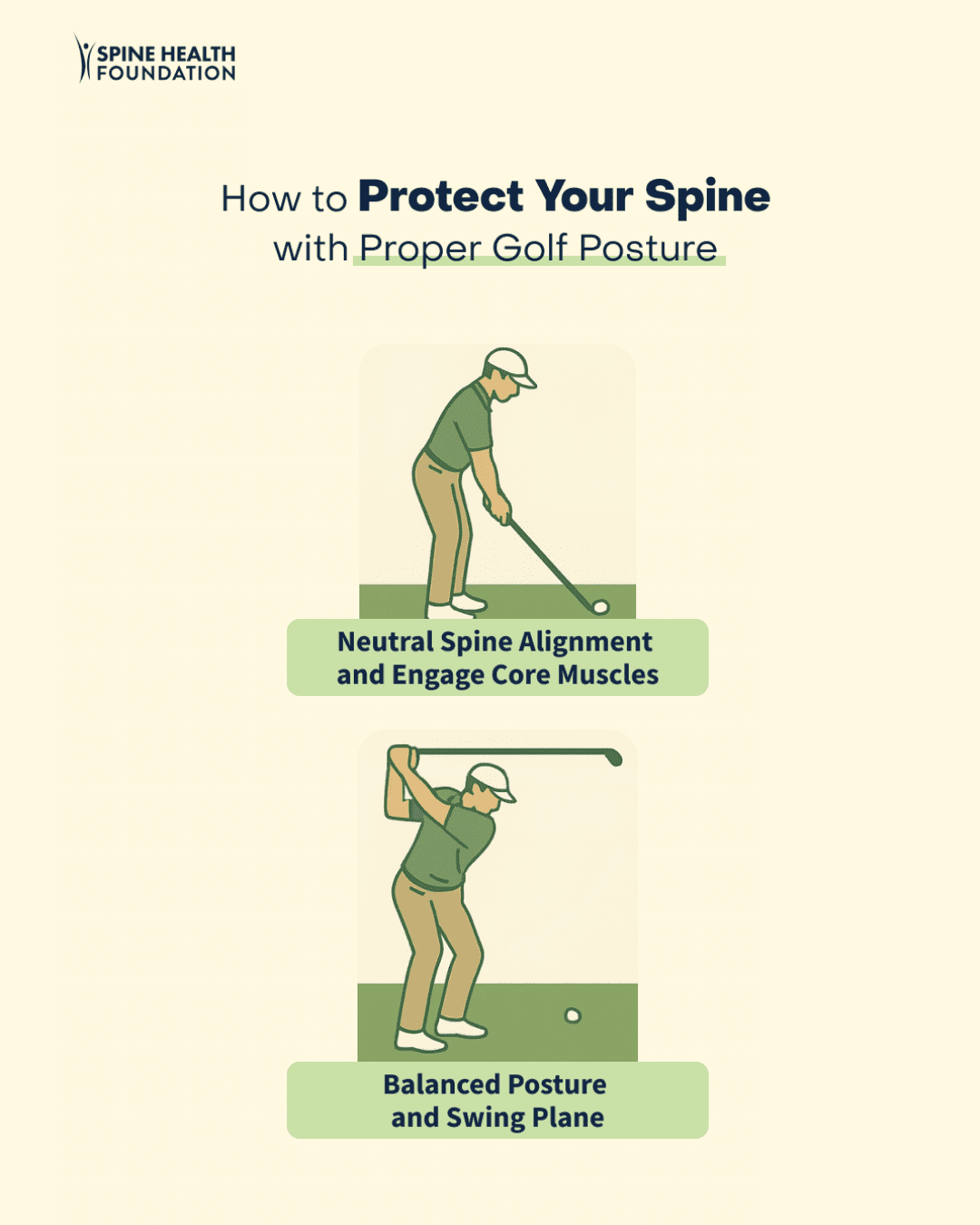
Maintaining proper posture during your swing is essential to protect your spine and prevent back pain. When setting up for a shot, make sure to keep your spine balanced and your shoulders back. This will help prevent unnecessary strain on your lower back during the golf swing.
- Neutral Spine Alignment: Before you even take the club back, ensure your spine is in a neutral position. Avoid excessive curvature, which can lead to muscle fatigue and discomfort. Think of keeping your back upright and balanced and relaxed.
- Balanced Posture: Keep your weight evenly distributed over your feet. Avoid leaning forward or backward during the swing, as this can throw off your balance and put extra strain on your spine. A stable stance allows for better rotation and smoother shots.
- Swing Plane: Your swing should follow a natural arc that allows your spine to rotate without strain. A proper swing plane minimizes unnecessary twisting forces on the spine, reducing the risk of injury. Practicing slow, controlled swings can help reinforce this proper motion.
- Engaging Core Muscles: Your core muscles play a key role in supporting your spine. Strengthening your abs and lower back through targeted exercises like planks and Russian twists can improve stability and reduce strain during a swing.
The Impact of Rotational Motion on Your Spine and Performance
Golf is a rotational sport, meaning your body has to twist and turn efficiently for an effective swing. The rotational motion of the golf swing puts a lot of stress on your spine, particularly in the lower back area. This can lead to pain and discomfort if not executed correctly.
- Rotation at the Hips and Shoulders: A good golf swing starts with the hips. Rotate your hips first, and then let your shoulders follow. This sequence of motion ensures your spine is not over-rotated, helping prevent injury. Engaging the lower body first allows for a controlled and powerful swing.
- Maintaining Stability: While rotational movement is important, keeping your core muscles engaged will help stabilize your spine and reduce unnecessary strain. Work on strengthening your core with exercises like planks and side bends to support spinal rotation. A strong core will also help maintain balance and control during the swing.
- Avoiding Over-Rotation: Excessive twisting can cause stress on the lumbar spine. Keeping the rotation within a safe range, aided by flexibility exercises, will help reduce the risk of injury.
For more information on preventative measures to avoid injury when swinging click here.

Recovery Tips to Prevent Golf Injuries and Improve Spinal Health
Taking proper recovery measures after each round of golf is key to maintaining spinal health throughout the season. Overuse injuries are common in golfers who don’t allow enough time for recovery.
- Active Recovery: After a round, consider light stretching or walking to keep the blood flowing to your muscles. This helps with muscle recovery and reduces stiffness in the spine. Gentle yoga or foam rolling can also aid in muscle relaxation.
- Hydration: Staying hydrated is important for joint and muscle health. Dehydration can increase the risk of muscle cramps and strains, which can negatively impact your performance and recovery.
- Rest Days: Giving your body a day or two of rest between rounds allows your muscles and joints to recover fully. This reduces the risk of wear and tear on your spine and helps prevent chronic pain. If you play frequently, alternating light practice days with full rounds can help manage strain.
- Post-Round Ice or Heat Therapy: Using ice packs for inflammation or heat therapy for muscle relaxation can be effective in keeping spinal discomfort at bay.

Walking and Carrying Your Golf Bag: How to Protect Your Spine
Walking the golf course can be a great way to stay active, but for those with back issues, it can also strain the lower back, especially on uneven terrain. Carrying a heavy golf bag adds extra pressure, leading to muscle fatigue and potential injury.
- Use a Pushcart: If carrying your bag is too taxing on your back, a pushcart can significantly reduce spinal strain while still allowing you to walk the course.
- Adjust the Straps: If you carry your bag, ensure that the straps are evenly distributed over both shoulders to balance the weight and reduce muscle fatigue.
- Maintain Good Posture While Walking: Keep your shoulders relaxed and your spine upright to avoid unnecessary stress on your lower back.
- Consider a Golf Cart: For older adults or individuals with previous back problems, using a golf cart is a safer option. It reduces strain on the spine, prevents fatigue, and allows for better focus on swing mechanics without worrying about discomfort from walking or carrying a heavy load.

Taking Some of the Load Off of Your Back Through Technology
Golf can put significant stress on your back, but modern technology offers solutions to help reduce strain and improve recovery. Tools designed for warm-up, swing analysis, and post-game therapy can make a big difference in keeping your spine healthy.
- Percussion Therapy Devices (e.g., Theragun) – Helps loosen muscles before a round and aids in recovery afterward.
- Biomechanical Swing Analyzers – Provide real-time feedback on swing mechanics, helping golfers optimize movement and reduce unnecessary spinal stress.
- Orange Whip Trainer – Aids in warm-ups and improves swing rhythm while promoting better body mechanics.
- Custom-Fitted Clubs – Properly weighted clubs reduce strain on the spine by ensuring efficient swing mechanics.
- Thermal Therapy (Heat Wraps) – Provides targeted heat therapy to soothe sore muscles and improve circulation.
By incorporating these tools into your routine, you can support your back’s health while continuing to enjoy the game.

Playing with pre-existing pain
Golfing with pre-existing pain, especially in the hips and back, can be challenging, but with some adjustments, these golfers can still enjoy the game while managing discomfort. Here are some key strategies to help reduce strain and keep you playing:
- Modify Your Swing Technique:
A full, powerful swing can put additional strain on your back and hips. Instead, focus on a smoother, more controlled motion. Limiting the range of motion and avoiding extreme back-bending can reduce stress on your spine and hips, helping prevent further injury. - Warm-Up and Stretch:
Always warm up before hitting the course. Dynamic stretching exercises for the lower back, hips, and legs can improve flexibility and range of motion, reducing stiffness and minimizing the risk of injury during your round. - Strengthen Core and Hip Muscles:
Strengthening your core and hip muscles provides essential support to your spine and helps stabilize your body during the swing. Regular strengthening exercises can also improve posture and reduce the likelihood of further pain. - Use Proper Equipment:
Ensure your clubs are fitted to your body and swing mechanics. Using clubs that are too long or too heavy can strain your back and hips, leading to discomfort. Proper footwear with arch support is also key in preventing lower back pain and improving stability while swinging. - Take Breaks and Pace Yourself:
Don’t push through pain. Take frequent breaks to rest and stretch between shots or holes. Consider using a golf cart to reduce the strain from walking, especially after extended rounds or on hilly courses. - Post-Game Recovery:
After your round, apply heat or ice to sore areas, and engage in gentle stretching to ease any tension in the muscles. This helps with recovery and prevents inflammation that can worsen over time. - Consult Professionals:
If pain persists, consider working with a physical therapist or healthcare provider to develop a personalized routine that supports your specific condition. A golf instructor familiar with body-friendly swing techniques can also help reduce strain on your back and hips.
By following these strategies, older golfers with hip and back issues can continue to enjoy the sport while minimizing discomfort and protecting their long-term health.

When Additional Therapy Is Needed
While thermal therapy and percussion devices can help with muscle recovery, persistent back pain may require further intervention. If discomfort continues despite at-home treatments, seeking professional care—such as physical therapy, chiropractic adjustments, or medical evaluation—can help address underlying issues and prevent long-term damage. Listening to your body and taking proactive steps can keep you on the course.
In some cases, if at-home treatments and therapies don’t alleviate persistent pain, a consultation with a spine specialist is warranted. While surgery is generally considered a last resort, it can be necessary for more severe conditions such as herniated discs or spinal stenosis. Playing through the pain may cause worsening damage in some instances. If surgery becomes an option, it’s essential to consult with a skilled surgeon who specializes in spinal health. After surgery, a thorough rehabilitation plan, including physical therapy and gradual reintroduction to activity, will be critical for a successful recovery. Following your healthcare provider’s advice and allowing adequate time for healing can help you return to the game, pain-free and stronger than before.
Returning to Golf After Surgery
Resuming golf after spine surgery is a common goal for many golfers. Studies and expert opinions provide valuable insights into this process:
- Timeframe for Return to Play: The recommended time to return to golf varies depending on the type of surgery:
- Lumbar Laminectomy and Microdiscectomy: Most surgeons suggest a return to golf between 4 to 8 weeks post-surgery.
- Anterior Cervical Fusion: A typical recommendation is to wait 2 to 3 months before resuming golf activities.
- Lumbar Fusion: Many surgeons advise waiting approximately 6 months before returning to golf.
- This article is a good resource for general guidelines.
- Patient Outcomes: Research indicates positive outcomes for golfers following surgery:
- A study involving 353 patients who underwent lumbar fusion found that within one year, 65% returned to practice and 52% resumed course play.
Tips for Returning to Golf After Spine Surgery:
- Consult Your Surgeon: Before resuming golf, discuss with your surgeon to determine the appropriate timeline based on your specific surgery and recovery progress.
- Gradual Return: Begin with low-impact activities and short practice sessions. Focus on putting and chipping before progressing to full swings.
- Physical Therapy: Engage in a structured rehabilitation program to strengthen core and back muscles, enhancing stability and reducing the risk of reinjury.
- Listen to Your Body: Pay attention to any signs of discomfort or pain. If you experience unusual symptoms, pause your activities and consult your healthcare provider.
- Use Proper Equipment: Ensure your golf clubs and attire are suited to your post-surgery needs, providing adequate support and comfort.
By following these guidelines and maintaining open communication with your healthcare team, you can navigate the process of returning to golf after spine surgery safely and effectively.
Conclusion
It is important to take steps to protect your spine and prevent injuries. By incorporating proper stretching techniques, maintaining good posture, understanding the impact of rotational motion on your spine, and allowing for adequate recovery, you can enjoy a pain-free and successful golf season. Keep these tips in mind, and you’ll be ready to hit the course with confidence, knowing that your spine is well taken care of.