

Physical Therapy: More Than Stretching
Surgery is sometimes necessary for serious spine conditions, but it is not the only path to recovery. In many situations, physical therapy (PT) can help reduce pain, restore mobility, improve function, and support recovery either on its own or alongside other treatments.
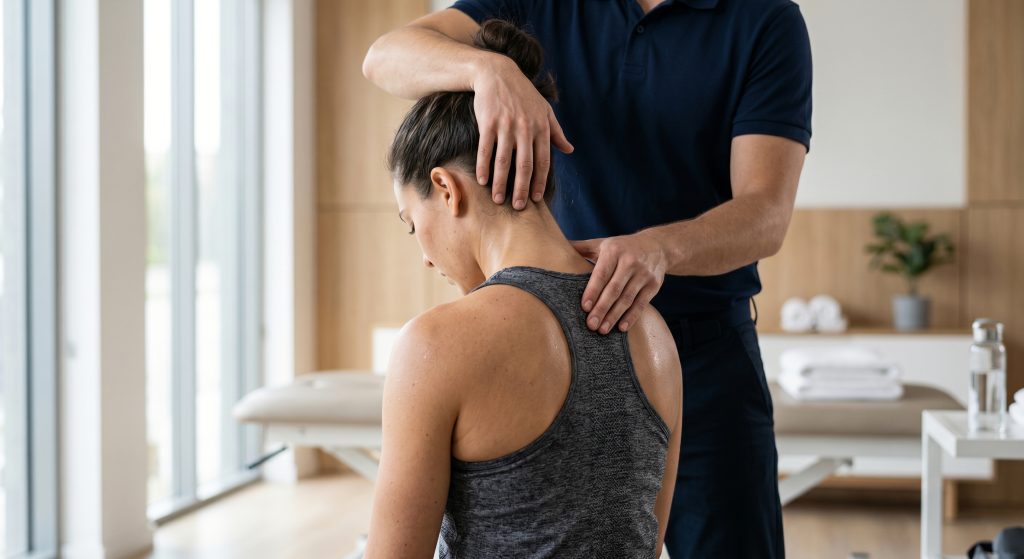
PT uses targeted exercise, movement training, hands-on techniques, and education tailored to a patient’s specific condition and goals. It is much more than “stretching.” A well-designed program helps the body move more efficiently, gradually tolerate activity, and build the strength and confidence needed for everyday life.
Three Ways PT Can Help the Spine
Although every treatment plan is individualized, many spine-focused PT programs work through three overlapping strategies: improving mobility, building strength, and retraining movement patterns. Together, these approaches can reduce unnecessary strain, improve control, and make daily activity more comfortable.
How Flexibility and Mobility Can Reduce Pain
Limited mobility in the lower back, hips, or legs can change the way the body moves. When one area is stiff, another may have to compensate, which can contribute to discomfort or inefficient movement. Physical therapy can address these restrictions with stretching, mobility work, and movement practice selected for the patient’s condition.
Improving mobility often includes improving flexibility, but the goal is not simply to make every patient more flexible. Rather, physical therapy focuses on restoring the amount of movement each person needs to move comfortably and efficiently. The aim is appropriate motion: enough mobility to move comfortably and efficiently without forcing painful ranges. For many people, improving hip and lower-extremity mobility can make walking, bending, lifting, and other daily activities easier.
Why Stronger Muscles Help
The muscles of the core, back, hips, and legs help support and control the spine during movement. Physical therapy often targets both larger muscle groups and smaller stabilizing muscles that may be overlooked during general exercise.
As strength and endurance improve, these muscles can share the work required for standing, walking, lifting, and changing positions. Better muscular support and control may reduce the amount of stress placed on sensitive tissues and make everyday movements feel more manageable. Building core strength is a key component to spine support.
Retraining the Way You Move
Physical therapy also focuses on how a person moves. Pain, injury, weakness, or stiffness can lead people to adopt movement patterns that are less efficient or that place extra demand on certain areas. A therapist can identify these patterns and teach alternatives that are better suited to the individual.
Repetition is important. Think about practicing a golf swing, throwing a football, or learning a dance step: movements that initially require concentration become easier with practice. PT uses the same principle. Repeated practice can improve coordination and help healthier movement patterns become more automatic over time.

How These Pieces Work Together
Mobility, strength, and movement control do not work in isolation. When they improve together, the body may be better able to distribute forces, tolerate activity, and avoid repeatedly stressing the same sensitive area. The result can be less pain, better function, and greater confidence with movement. Physical therapy does not “fix” every source of spine pain, but it can help many people move more comfortably and return to activities that matter to them.
Movement Matters
When the spine hurts, resting may seem like the safest choice. Short periods of rest can be appropriate for some injuries or during a flare, but prolonged inactivity can also lead to stiffness, loss of strength, and reduced tolerance for activity. When it is medically appropriate, gentle movement can help keep muscles active and make it easier to return to normal function. A physical therapist can help determine which movements are appropriate and how quickly activity should progress.
Consistency Matters
Physical therapy is a form of training, not a quick fix. Strength, endurance, mobility, and movement patterns change gradually, which is why progress usually depends on repeated practice over time. The exercises performed between therapy visits are often just as important as the sessions themselves. Small, consistent improvements can add up to meaningful changes in how a person feels and functions.
Education Is Part of the Treatment
One of the most valuable parts of physical therapy is learning how to manage your condition outside the clinic. Therapists teach patients which movements to use, which activities may need modification, how to progress exercise safely, and what to do if symptoms flare. The goal is greater independence and confidence, so patients can continue healthy movement and strengthening habits long after formal therapy ends.
When PT Helps – and When It Is Not Enough
Physical therapy can be helpful for many people with spine pain, including those recovering from an injury or surgery and those trying to improve function or stay active. In some cases, PT may help a patient manage symptoms and delay or avoid more invasive treatment. In others, it is an important part of recovery before or after a procedure.
PT does have limitations. Some spine conditions require additional evaluation, medication, injections, or surgery, and certain symptoms may make exercise inappropriate until the underlying problem is assessed. The best program depends on the diagnosis, the individual’s health, and the goals of treatment.

The Bottom Line
Physical therapy works by helping the body move better, build appropriate strength, and gradually return to activity. Just as important, it gives patients tools they can use on their own. For many people with spine pain, that combination of movement, strength, practice, and education can be an important part of getting back to the activities they enjoy. Check out our 30 Tips for Spine Health Prevention and Wellness to get started.